

















Collaring in BDSM: Meaning, Rituals, and Symbolism
Content Verification



🔑 Key Takeaways in a Jiffy! 🔑
- 🖤 Collaring in BDSM is a deep symbol of commitment and trust.
- 🔗 Different types of collars exist—training, day, permanent, and play collars.
- ✨ The collaring ceremony can be as intimate as a wedding! 💍
- 🗝️ Consent, communication, and mutual understanding are essential.
- 💬 Every dynamic is unique—there’s no "one-size-fits-all" approach.
🎩 Expert Advice & Cheeky Tips! 🎩
- 💡 Choose a collar that suits your lifestyle—subtle or bold, it's up to you!
- 🛑 Boundaries matter—set expectations early to avoid misunderstandings.
- 🔥 A collar isn’t just an accessory—it represents a deeper connection.
- 📜 Some people include contracts—formal or playful, it’s your call!
- 🎭 Always make space for growth—dynamics evolve, and that’s beautiful.
Ever noticed someone wearing a sleek choker or a subtle necklace and wondered, is that just fashion or something more? In the world of BDSM, a collar is more than an accessory—it’s a symbol of submission, devotion, and loyalty. It’s like an engagement ring, but with power exchange at its core.
For many submissives, collaring is a defining moment—a sign that they belong to someone, that they’ve entered a deeper, more structured relationship with their Dominant. Some wear their collars proudly in private, while others opt for day collars that blend seamlessly into the vanilla world. Either way, the meaning runs deep.
So, what’s the deal with collaring fetish? What does it mean, how does it work, and why is it such a big deal? Stick with us—by the end of this, you’ll know everything there is to know. Let’s begin
The Meaning and Symbolism of Collaring
Collaring isn’t just about leather and metal—it’s about commitment, trust, and power exchange. In BDSM relationships, a collar can symbolise ownership, partnership, or devotion, much like a wedding ring in traditional relationships. But unlike a ring, a collar carries layers of meaning, depending on the people involved.
Romantic Symbolism: A Sign of Long-Term Devotion
For many, a collar represents deep emotional connection and loyalty. It’s not just about power—it’s about love, security, and belonging. Some Dominant/submissive (D/s) couples treat collaring as a lifelong bond, much like marriage.
According to Barbara Santini, a psychologist and relationship advisor from Peaches and Screams, “A collar in a BDSM relationship often represents emotional security, a promise of care, and a mutual understanding of roles. It is a powerful symbol of dedication that goes beyond physical dominance.”
Even in long-term BDSM relationships, collaring is a conscious choice, a way to say, "You are mine, and I am yours." Unlike a wedding ring, though, a collar isn’t bound by tradition—it’s customised to fit the couple’s dynamic.
Sexual Symbolism: Power, Control, and Submission
Beyond romance, collars have a strong sexual significance. In BDSM play, they serve as a physical marker of submission and dominance, reinforcing control and power dynamics. Some submissives feel instantly grounded when wearing a collar, while dominants see it as a visual cue of authority.
Katie Lasson, a sex and relationship advisor, explains, “A collar intensifies the psychological and physical aspects of BDSM. It deepens the submissive mindset and strengthens the power dynamic, creating an environment where both partners can fully embrace their roles.”
In this way, a collar isn’t just for show—it’s an intimate tool that fuels desire, arousal, and connection. Some submissives even report feeling “naked” without their collar, as if something vital is missing.
Training & Protocol-Based Symbolism
For newer submissives, a collar may serve as a training tool, enforcing structure, obedience, and discipline. Some dominants use it to mark different stages of submission—like a student progressing through martial arts belts. A training collar may be worn before a permanent one, symbolising growth and commitment over time.
Tatyana Dyachenko, a sexual and relationship therapist, notes, “Training collars provide a sense of guidance and development within the BDSM dynamic. They help submissives ease into their role while establishing trust and structure.”
Even outside of training, some relationships incorporate collar protocols—rules about when and how the collar is worn, whether it should be removed, or even rituals for putting it on and taking it off.
A Rite of Passage in the BDSM Lifestyle
For many in the BDSM community, receiving a collar is a profound moment. It signifies not just commitment to a partner, but also embracing the BDSM lifestyle itself. Some even hold collaring ceremonies, similar to a wedding, to mark the occasion.
Regardless of its purpose—be it romantic, sexual, or protocol-driven—a collar is never just a collar. It’s a powerful statement, a silent yet unmistakable sign of trust, ownership, and belonging.
Types of Collars in BDSM
Not all collars are the same—some are discreet, some temporary, and others deeply symbolic. Whether it’s a daily reminder of submission or a tool for BDSM play, each type serves a unique purpose. Let’s break them down.
Day Collars: Subtle and Safe for Public Wear
Not every submissive wants to broadcast their dynamic to the world. That’s where day collars come in—discreet BDSM collars designed to blend into everyday life. They often look like chokers, lockets, or delicate necklaces, making them work-friendly and socially acceptable.
Day collars allow submissives to feel connected to their dominant without drawing unwanted attention. Some have hidden clasps, engraved symbols, or lockable designs, serving as a silent but powerful mark of submission.
Training Collars: For Structure and Discipline
A training collar is often the first step in a submissive’s journey. It’s temporary, used to establish rules, expectations, and obedience before a permanent commitment is made.
Think of it like an apprenticeship—a way for the dominant and submissive to test their dynamic. Some submissives eventually "graduate" to a permanent collar, while others may remain in training indefinitely.
Play Collars: For BDSM Sessions and Kink Play
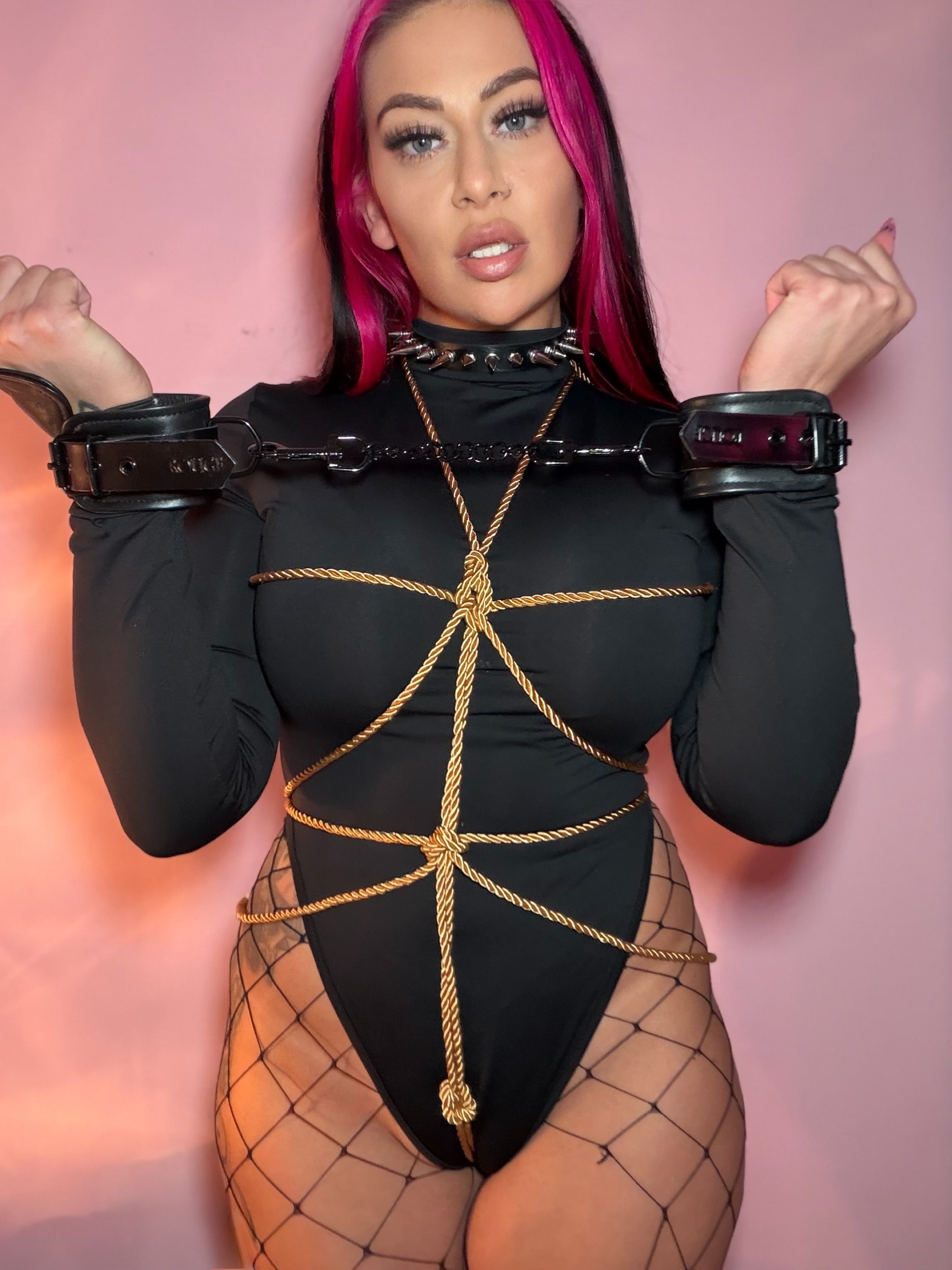
Unlike day or training collars, play collars are used exclusively during BDSM scenes. They’re often made of leather, metal, or silicone and may have D-rings or attachment points for leashes, chains, or restraints.
These collars emphasise control and dominance, enhancing the psychological and physical aspects of BDSM. Some play collars are designed for quick removal, ensuring safety during intense scenes.
Permanent Collars: The Ultimate Commitment
A permanent collar is the BDSM equivalent of a wedding ring. It symbolises deep devotion, ownership, and lifelong submission. Unlike training or play collars, a permanent collar is worn all the time (or as much as possible).
Some are physically locked and can only be removed by the dominant. Others are custom-made, featuring engraved names, symbols, or personalised designs. Permanent collars are not given lightly—they mark a significant milestone in BDSM relationships.
Pet Play Collars: A Special Category
For those who engage in pet play, a pet play collar is a core part of their identity. These collars often include bells, tags, or decorative elements to match the submissive’s role—whether they identify as a kitten, puppy, or other pet persona.
In pet play dynamics, the collar reinforces the submissive’s role, obedience, and connection to their dominant. Some wear their pet collars only during play, while others incorporate them into daily life.
The Collaring Ceremony: A Symbolic Commitment
A collaring ceremony is one of the most meaningful BDSM commitment rituals. It’s a moment where a dominant and submissive formally acknowledge their bond, much like a wedding. But unlike traditional marriage, this ceremony focuses on power exchange, devotion, and submission rather than legal contracts.
Public vs Private Ceremonies
Every couple is different—some prefer intimate, private collaring ceremonies, while others make it a public event within BDSM communities.
- Private Ceremonies: These are often intensely personal, with just the dominant and submissive present. It might take place in a bedroom, dungeon, or other intimate setting, where the submissive receives their collar in a quiet, meaningful exchange.
- Public Ceremonies: Held at BDSM events or gatherings, these are more formalised, with witnesses, rituals, and sometimes even officiants. Some BDSM communities treat collaring with as much significance as a wedding, making it a recognised rite of passage.
Ceremonial Elements
While no two ceremonies are alike, many follow a similar structure:
- Oath of Loyalty and Submission – The submissive may recite vows of devotion, trust, and obedience.
- The Collaring Ritual – The dominant places the collar around the submissive’s neck, signifying their official bond.
- Witnesses (Optional) – Some couples invite friends, mentors, or members of the BDSM community to witness the event.
- Additional Rituals – Some include candle lighting, written contracts, or even a celebratory toast, depending on personal preference.
A Commitment like No Other
A collaring ceremony shares many similarities with traditional commitment ceremonies—there’s a moment of exchange, a physical token (the collar), and sometimes even a formal celebration. But where a wedding represents equal partnership, a collaring ceremony represents a unique power dynamic—a submissive’s pledge to serve, obey, and trust their dominant.
Etiquette and Rules of Wearing a Collar
Collars carry deep meaning in BDSM, and wearing one comes with responsibilities and protocols. Unlike a fashion accessory, a BDSM collar is a symbol of submission, devotion, and trust—and with that comes etiquette that both submissives and outsiders should respect.
A Collar Must Be Given by a Dominant
A submissive should never self-collar—in BDSM, a collar is earned and granted by a dominant. It’s a sign of trust and commitment, and wearing one without the dominant’s consent undermines its significance. Some submissives in training may wear a temporary collar, but true collaring is a mutual decision.
Respect Other Collared Submissives
A collared submissive is already “claimed”, and that collar should be treated with the same respect as a wedding ring. In BDSM spaces, touching or removing someone else’s collar is considered deeply disrespectful. Even commenting on another submissive’s collar without permission can be seen as inappropriate.
Collar-Wearing Protocols Vary by Dynamic
Not all collars are worn 24/7—some are only for play, while others must be worn at all times. Each dominant may set specific rules about when, where, and how the collar should be worn. Some may allow removal for work or social settings, while others expect full-time wear.
A Collar Comes with Responsibility
Wearing a collar isn’t just about obedience—it’s about understanding and following the agreed rules of submission. Every D/s dynamic is unique, but one thing remains the same: a collar is more than just jewellery—it’s a commitment.
Choosing the Right Collar for a Submissive
Picking the perfect collar isn’t just about looks—it’s about comfort, durability, and meaning. Whether it’s a bold statement piece or a discreet BDSM collar for work, choosing the right one depends on the submissive’s lifestyle and the relationship dynamic.
Material Matters: Leather, Metal, or Fabric?
- Leather collars – Classic, durable, and often used in training or play.
- Metal collars – Sleek and stylish, sometimes used for permanent commitment.
- Fabric or ribbon collars – Soft and comfortable, ideal for sensitive skin or long-term wear.
Daily Wear vs BDSM Play
If the collar is worn 24/7, it needs to be comfortable and subtle. Day collars, like chokers, pendant necklaces, or lockets, are safe-for-work options that won’t raise eyebrows in vanilla settings.
Custom Collars for a Personal Touch
Some submissives prefer handcrafted collars, personalised with names, engravings, or unique designs. This makes the collar even more meaningful, reinforcing the bond between dominant and submissive.
Whatever the style, a collar should feel just right—because when it does, it’s more than an accessory. It’s a symbol of devotion.
Final Thoughts on Collaring Fetish
That feeling? That deep pull inside, the mix of curiosity, excitement, and maybe even longing—it’s real. Collaring isn’t just about leather, locks, or chains; it’s about devotion, trust, and the silent promise between two souls. Whether a collar is worn daily, used in play, or sealed in a powerful ceremony, its meaning is as unique as the bond it represents. Respect it. Honour it. And if the moment comes? Embrace it. Because a collar isn’t just worn—it’s felt, deep in the bones.