















Cross-Dressing Kink: Understanding Its Meaning and Appeal
Content Verification



✨ Key Takeaways ✨
- 🎭 Cross-dressing is all about self-expression and fun! 🎉
- 🧐 It’s not always tied to sexuality—many enjoy it for different reasons.
- 💃 Confidence is key—rock your look and own your style!
- 👗 The right fabric can make or break your comfort—choose wisely!
- 🎭 Society’s views are evolving—be part of the change!
🧐 Key Advice & Tips from Our Experts! 💡
- 💄 Makeup can be your best friend—practice makes perfect!
- 👠 Heels? Start with a low heel before conquering stilettos.
- 🎤 Own your voice—practice pitch and tone for added confidence.
- 🛍️ Shopping tip: thrift stores are treasure troves for fabulous finds!
- 🚀 Most importantly—enjoy the journey and express yourself freely!
Ever wondered why some people love slipping into clothes meant for the opposite sex? It’s not always about a sexual thrill—sometimes, it’s about self-expression, comfort, or just having fun with fashion. Cross-dressing can be a kink for some, a personal identity for others, or a bit of both.
It’s one of the many fascinating kinks explored in 239 types of kinks and fetishes, showing how clothing, gender, and desire can blend in unexpected ways. Whether it's a full transformation with makeup, wigs, and heels or just an occasional switch, cross-dressing means different things to different people.
So, what’s the appeal? Is it a fetish, an art, or a form of self-discovery? By the end of this article, you’ll have the answers. Let’s begin!
What Is Cross-Dressing?
Cross-dressing is the act of wearing clothes traditionally associated with the opposite gender. It’s not about changing gender but about presentation, style, and sometimes self-discovery. Whether for fashion, fun, or fetish, cross-dressing allows people to explore different aspects of identity, attraction, and expression.
It can involve more than just clothing. Some cross-dressers use makeup, wigs, accessories, and even body shaping techniques to enhance their transformation. For others, a simple swap of trousers for a skirt, or a suit for a dress, is enough. It’s a spectrum, not a one-size-fits-all definition.
Many confuse cross-dressing with being transgender, but they’re not the same. While transgender individuals identify with a gender different from their assigned sex, cross-dressing is about appearance—not identity. A man in a dress isn’t necessarily questioning his gender; he might just love how it feels.
Historically, cross-dressing has appeared across many cultures. In Elizabethan England, male actors played female roles. In Japan, Kabuki theatre saw men mastering feminine performance. And let’s not forget women who dressed as men to access education or fight in wars. Clearly, cross-dressing isn’t new—it’s been woven into history for centuries.
Cross-Dressing as a Kink vs. Gender Expression
Cross-dressing means different things to different people. For some, it’s a form of self-expression, comfort, or even artistic performance. For others, it’s deeply linked to sexual excitement, fantasy, and fetish play. While the act itself is the same, the motivations behind it vary widely.
Some cross-dressers simply enjoy breaking fashion norms, embracing androgynous styles, or exploring different aspects of their personality. Many drag performers, for example, use exaggerated femininity or masculinity as a creative art form. Others find comfort in presenting as another gender, enjoying the freedom of expression without any sexual element.
On the other hand, some find cross-dressing sexually arousing, and for them, it becomes a kink. Tatyana Dyachenko, a sexual and relationship therapist from Peaches and Screams, explains: “For certain individuals, cross-dressing is more than just an aesthetic choice—it’s an erotic experience. The thrill often comes from the contrast between their usual gender presentation and their transformed self. This duality, coupled with the taboo nature of gender norms, can make cross-dressing highly exciting.”
A subset of cross-dressers experience autogynephilia, where a man is sexually aroused by the idea of himself as a woman. However, this doesn’t apply to all male cross-dressers, as many engage in it for non-sexual reasons.
For some, power dynamics and role reversal play a role in the kink. The idea of forced feminisation or being dressed in traditionally "weaker" clothing can be exciting within BDSM dynamics. Others enjoy the simple taboo-breaking nature of wearing what society says they shouldn’t.
Why Do People Cross-Dress? Psychological and Sexual Motivations
Why do people cross-dress? The reasons vary, and they’re not always sexual. For some, it’s about gender exploration, comfort, or confidence. For others, it’s tied to fetish excitement, erotic role play, or the thrill of breaking social norms. Let’s break it down.
Psychological Reasons
- Gender Exploration or Fluidity – Some people cross-dress as a way to explore their gender identity. They may not feel strictly male or female and enjoy expressing different sides of themselves through clothing.
- Comfort and Self-Expression – Clothes can be a powerful tool for self-expression. Some cross-dressers simply feel more like themselves when wearing certain styles, even if society deems them “for the opposite gender.”
- Confidence Boost – Drag performers and cos players often cross-dress to embody larger-than-life personas. The transformation can be empowering, giving them a sense of control, freedom, or even performance-enhancing confidence.
Sexual Motivations
- Erotic Role play and Fetish Excitement – Some people find cross-dressing sexually stimulating. It can be part of BDSM dynamics, submissive fantasies, or even private personal pleasure.
- The Thrill of Breaking Gender Norms – Cross-dressing can feel exciting because it defies societal expectations. The “taboo” factor makes it thrilling, especially for those who enjoy challenging traditional roles.
- Sensory Enjoyment of Fabrics and Textures – Silky lingerie, tight corsets, high heels—some cross-dressers love the way different clothes feel. The sensory pleasure of fabrics, textures, and fits adds another layer to the appeal.
According to Katie Lasson, a sex and relationship advisor, “Clothing carries a powerful psychological effect, shaping not just how others see us but how we see ourselves. Some people find immense pleasure in embodying different roles through cross-dressing, whether for personal expression or erotic fulfilment. It’s about liberation, fantasy, and sometimes just the joy of feeling good in what you wear.”
Cross-Dressing in Fetish Culture
Cross-dressing isn’t just about self-expression—it also plays a major role in the fetish world. For many, dressing in clothes associated with the opposite gender adds an element of fantasy, taboo, and power dynamics that makes it highly arousing. Some engage in it purely for sexual excitement, while others enjoy it as part of role play or BDSM scenarios.
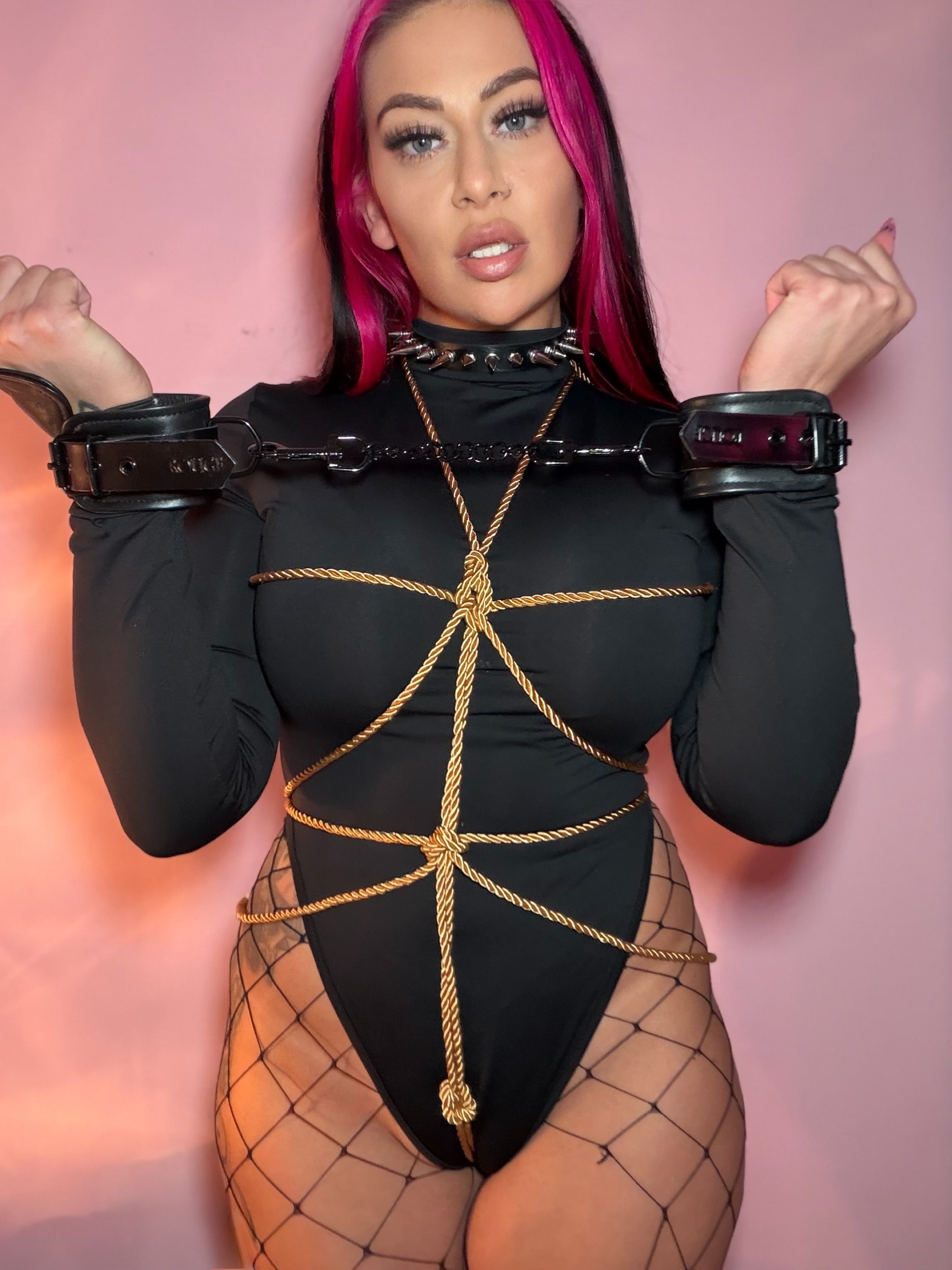
In BDSM culture, cross-dressing is often linked to forced feminisation and sissification, where submissive men are dressed in lingerie, skirts, or makeup as part of power play. This type of role play taps into humiliation kinks, dominance-submission dynamics, and transformation fantasies. However, not all cross-dressers participate in BDSM—many enjoy dressing up privately without any dominant or submissive elements.
Some engage in cross-dressing only in fetish settings, like parties or private role play, rather than incorporating it into their daily lives. It’s about the experience, not identity.
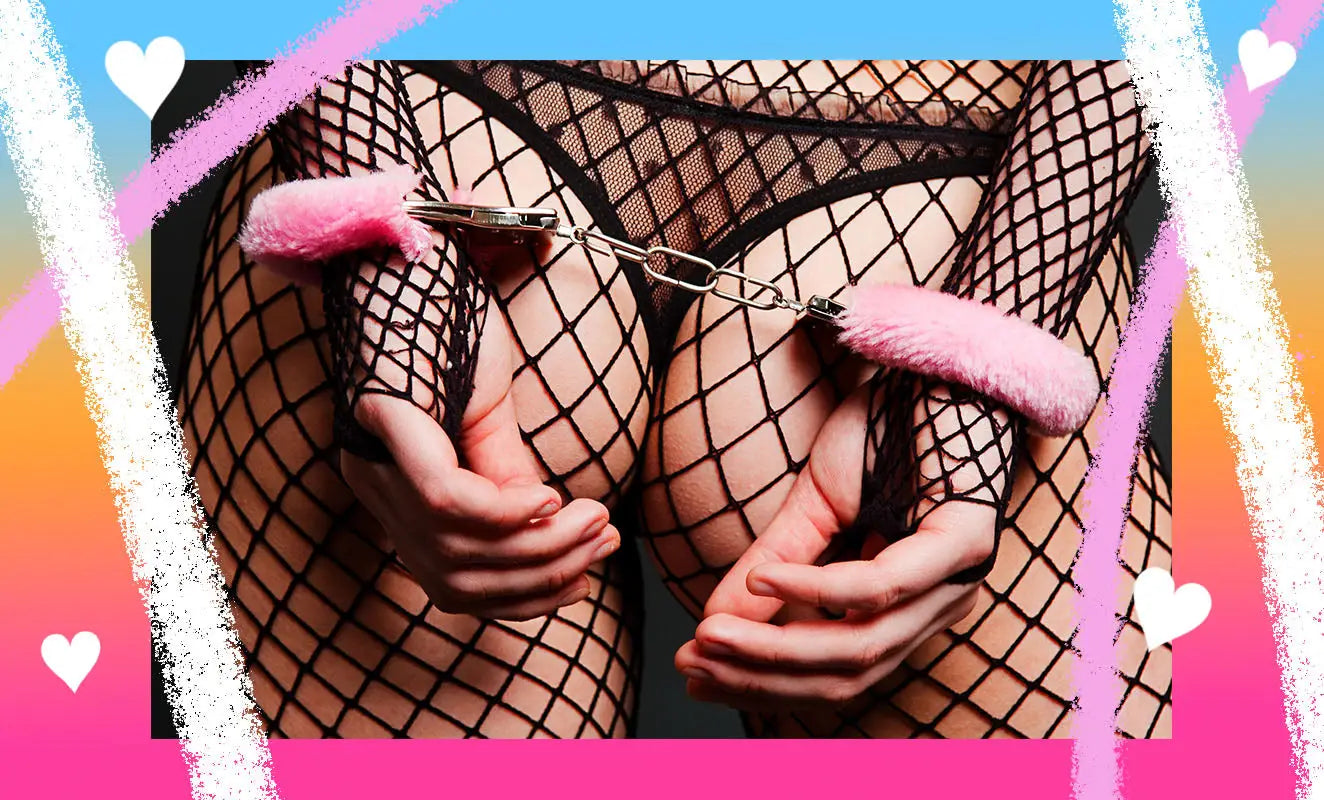
Fetish fashion also plays a role. Lingerie, stockings, heels, wigs, corsets—these elements heighten the thrill of transformation. For many, it’s not just about the clothing itself but the feeling of stepping into a completely different persona, even if just for a night.
Myths and Misconceptions about Cross-Dressing
Cross-dressing is surrounded by myths, often fuelled by misunderstanding and outdated stereotypes. Some assume it’s always linked to gender identity, sexuality, or performance art, but the truth is more complex. Let’s debunk some common misconceptions.
Myth 1: All cross-dressers are transgender
Fact: Many cross-dressers are cisgender men or women who simply enjoy dressing differently. Being transgender is about gender identity, whereas cross-dressing is about appearance and expression. Someone can cross-dress without feeling any disconnect with their assigned gender.
Myth 2: Cross-dressing always has a sexual element
Fact: While cross-dressing is a kink for some, many do it for comfort, confidence, or artistic reasons. Some feel more themselves in different clothes, while others enjoy the transformation without any erotic motivation.
Myth 3: Only men cross-dress
Fact: Women also engage in cross-dressing. Many adopt androgynous or tomboy styles, wear suits, or present as masculine for personal, fashion, or even fetish-related reasons. Society just tends to focus more on male-to-female cross-dressers.
Myth 4: Cross-dressing is the same as drag
Fact: Drag is performance-based, often exaggerated and theatrical. Cross-dressing, on the other hand, can be private, personal, or fetishistic. Not all cross-dressers do drag, and not all drag performers cross-dress outside of performance.
How to Explore Cross-Dressing Safely and Confidently
Cross-dressing should be an exciting, liberating, and personal experience. Whether you're doing it for self-expression, pleasure, or curiosity, feeling confident in your choices is key. There’s no “right” way to cross-dress—only what feels right for you.
- Start small – If you're new, ease into it with accessories, shoes, or subtle clothing changes before going for a full transformation. Experiment gradually to find what makes you feel comfortable.
- Find a supportive community – Many online forums, social media groups, and meet-ups exist for cross-dressers, fetish enthusiasts, and gender-fluid individuals. Spaces like Reddit’s r/crossdressing, dedicated Facebook groups, or local LGBTQ+ events can be great places to connect.
- Build confidence – If you're nervous about cross-dressing in public, start in safe environments, like themed parties or private gatherings. Practice at home, refine your look, and embrace self-acceptance—confidence is key.
According to Barbara Santini, psychologist and relationship advisor, “Cross-dressing, like any form of self-expression, requires confidence. The more comfortable you become in your own skin, the less you’ll worry about outside judgment. It’s about embracing what makes you feel good, whether in private or public.”
Final Thoughts on Cross-Dressing Kink
Maybe there’s a mix of curiosity, excitement, or even nerves swirling right now. That’s normal—society loves rules, but personal expression doesn’t need permission. Cross-dressing isn’t just fabric and makeup; it’s liberation, confidence, and self-discovery. Whether for pleasure, identity, or pure fun, there’s power in embracing what feels right. Forget judgment, forget limits—step into the world on your terms. The only approval needed?Your own. Now go own it. Unapologetically.