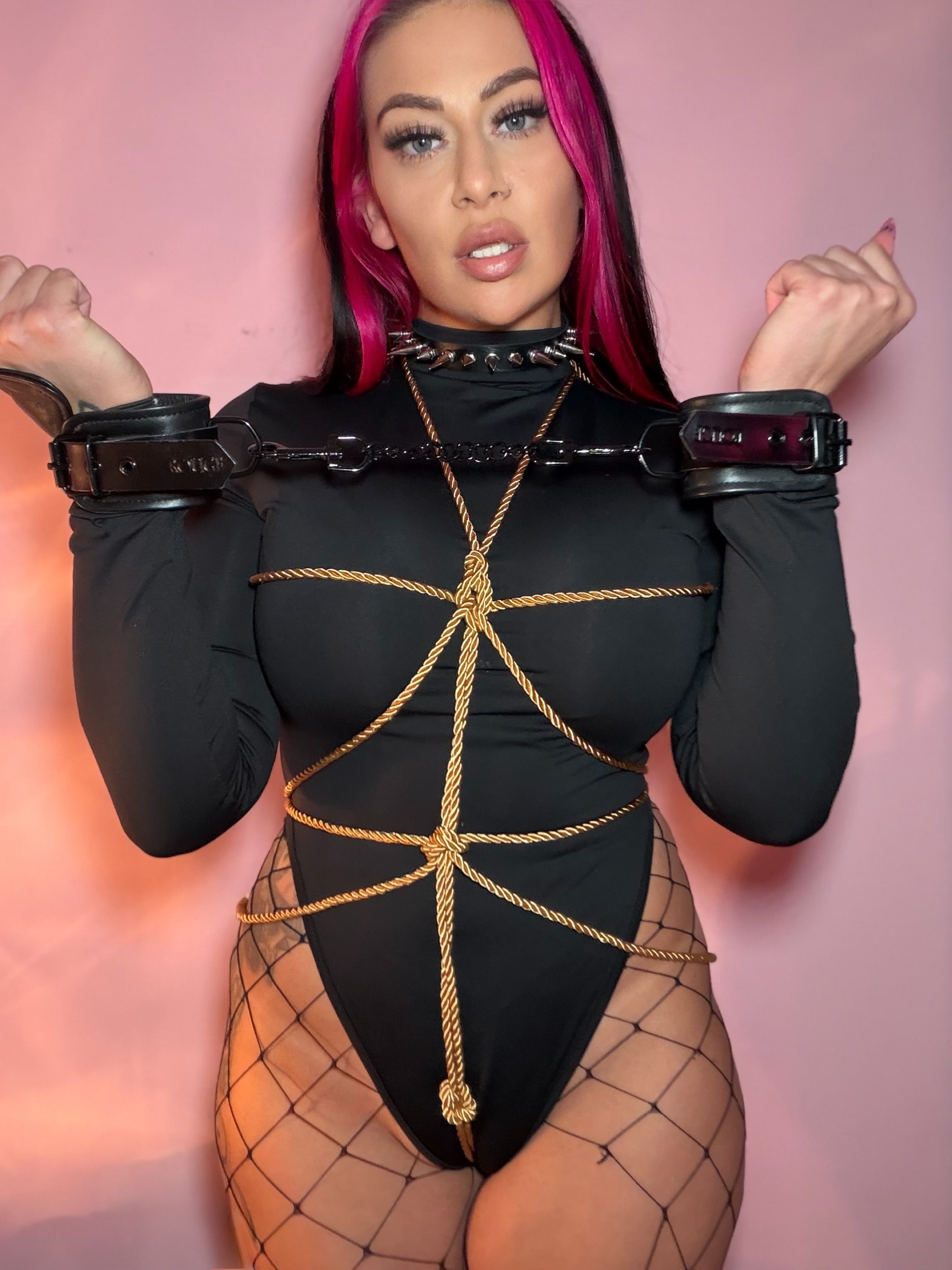



















The Mentor Dom: Guiding Submissives and Dominants in the World of BDSM
Content Verification



✨ Key Points to Remember ✨
- 🎯 Embrace the journey of self-discovery and empowerment. BDSM is about trust and communication.
- 🌟 Mentorship is key – guidance from a mentor can make all the difference in a healthy BDSM relationship.
- 💬 Always communicate your limits and desires. Open dialogue builds respect and trust.
- 🔒 Safe words are your superpower. Never underestimate their importance in keeping things safe and consensual.
- 🎉 Consent is the foundation – remember, it's not just a one-time thing, it's an ongoing conversation!
👑 Key Advice and Tips from Our Experts 👑
- 🗣️ "Take your time and find your rhythm – BDSM is a journey, not a destination!"
- 💡 "Respect your partner's boundaries and honour your own. Always be in tune with each other’s needs."
- 🌈 "Don't be afraid to experiment, but always check in before you dive into something new!"
So, you’ve heard the term "Dominant Mentor" floating around the BDSM community, but what does it actually mean? Think of it like this: a Dominant Mentor is the wise, experienced guide who helps you navigate the exciting (and sometimes intimidating) world of BDSM. Whether you're a newbie submissive or a curious dominant looking to refine your skills, a mentor can make all the difference.
But what does being a Dominant Mentor really entail? It's not just about exerting control—it's about sharing knowledge, offering guidance, and building trust. They help you understand the nuances of Dominant-submissive dynamics, whether you’re stepping into the world of kink for the first time or looking to deepen your experience.
In this article, we’ll dive into what it means to be a Mentor Dom, why mentorship is so important, and how these guides shape the BDSM community. Stick with us, and by the end, you’ll have a solid understanding of the Dominant Mentor role and how to find (or become) the perfect one. Let’s get started!
What is a Dominant Mentor in BDSM?
A Dominant Mentor isn’t just any dominant. They’re the experienced guide who helps others navigate the complex world of BDSM, offering advice, support, and insight. Think of them as your mentor in the BDSM community, someone who’s been around the block and is willing to share their wisdom.
So, how does a Dominant Mentor differ from other types of dominants? Well, the main distinction lies in the role they play. Unlike a typical D/s relationship where the dominant's role is to lead and control, a Dominant Mentor focuses on teaching and guiding—helping submissives and even other dominants find their feet in the kink world. This mentorship is rooted in BDSM mentorship, not just power dynamics.
As Katie Lasson, a sex and relationship advisor, puts it, “A Dominant Mentor is someone who provides a safe space for learning, offering wisdom gained from experience without demanding immediate obedience. They teach the values of consent, respect, and communication.” In other words, it’s about giving advice and providing a solid foundation for growth, not about exerting power for the sake of it.
Experience is key when it comes to being a Dominant Mentor. Tatyana Dyachenko, a sexual and relationship therapist, explains that, “A successful Dominant Mentor has typically been in the lifestyle for a while. They’ve gained a deep understanding of what works in a power exchange and what doesn’t, making them invaluable resources to those who are just starting out.” A mentor isn’t just someone who’s in charge—they need to have a solid understanding of BDSM dynamics and the nuances of communication, trust, and respect.
These mentors also play a crucial role in guiding both submissives and other dominants. While they can offer direct guidance to submissives, helping them understand their limits and desires, they also support other dominants in developing their skills. They teach leadership, patience, and the art of reading your partner’s needs—whether that partner is a sub or another dominant.
In short, a Dominant Mentor is not just a leader, but a teacher. They help shape the future of BDSM by fostering safe, consensual, and respectful relationships within the community. Whether you're a novice sub or an aspiring dominant, a Dominant Mentor can be the key to unlocking your full potential in the world of BDSM.
The Role of a Mentor Dom in BDSM Relationships
When you think of a Mentor Dom, it’s easy to imagine someone simply calling the shots. But the reality is far more layered. A Dominant Mentor holds a responsibility that goes beyond the typical D/s dynamics. They’re not just here to dominate—they’re here to teach, guide, and support those new to the lifestyle, ensuring safe, healthy, and fulfilling BDSM relationships.
So, what exactly does a Dominant Mentor do? First and foremost, they are teachers. Their primary role is to teach in BDSM, sharing their knowledge and expertise with mentees, whether they’re submissives or aspiring dominants. Dominant Mentors take time to explain the ropes (literally and figuratively), whether it’s about communication, safe practices, or understanding the emotional and psychological aspects of BDSM.
Barbara Santini, a psychologist and relationship advisor, states, “The role of a Mentor Dom extends beyond just kink and pleasure—it’s about emotional growth, trust, and understanding. They help individuals develop both their desires and boundaries, ensuring their BDSM experiences are healthy and consensual.” This highlights how a Dominant Mentor shapes BDSM relationships by guiding mentees through every step, from establishing trust to exploring personal limits and desires.
For submissives, the Mentor Dom is a source of guidance and support, offering insight into the nuances of surrendering control, setting boundaries, and learning the language of power exchange. They don’t simply direct their mentees to obey; they teach them how to communicate their needs, how to explore their kink safely, and how to grow into their submissive role with confidence and trust.
On the other hand, when mentoring other dominants, a Mentor Dom helps develop leadership skills. They guide new dominants through the process of reading body language, understanding emotional cues, and maintaining a healthy power dynamic. It’s about building the skills needed to lead with authority while also being empathetic and respectful. As Lasson explains, “A Dominant Mentor helps new dominants find their footing by teaching them the art of leading with care, patience, and consent, rather than sheer dominance.”
Building trust is central to the mentor-mentee relationship. Trust is the cornerstone of any BDSM relationship, and a Dominant Mentor must earn and maintain it. It’s not about blind obedience; it’s about cultivating mutual respect. Mentees need to feel safe and supported, knowing they can voice their concerns or desires without fear of judgment. The mentor's role is to maintain a space where both the dominant and submissive roles are respected, ensuring a balance between authority and care.
How a Dominant Mentor Guides Submissives
Mentoring a submissive is no small feat. When a Dominant Mentor takes on the responsibility of guiding a submissive, they’re not only teaching them about kink and power exchange—they’re also helping them navigate their personal journey of self-discovery and growth. It’s about more than just following commands; it’s about finding their place within the BDSM world and learning how to express their needs and boundaries clearly and confidently.
One of the key tasks a Dominant Mentor takes on when mentoring submissives is providing emotional support. BDSM can stir up complex feelings and emotions, especially for those just beginning to explore their submission. A Mentor Dom is there to offer a safe space for submissives to process those emotions, understand their desires, and feel secure in their role. Whether it’s talking through a difficult scene or simply providing reassurance, emotional support is a crucial part of the mentorship.
As Dyachenko puts it, “Mentoring submissives goes beyond physical acts—it’s about helping them find the emotional balance they need to safely explore their desires. A good Mentor Dom helps their sub build emotional resilience, trust, and self-awareness.” This emotional guidance is vital for submissives, especially when they are just starting to explore the complexities of BDSM and power exchange.
In addition to emotional support, a Dominant Mentor offers practical BDSM training. This is where the hands-on part of mentorship comes in. Whether it's learning the proper way to use BDSM tools, practising safe and effective communication, or understanding body language cues, a Mentor Dom teaches the skills needed for a safe and fulfilling experience. They’re there to ensure that every scene is consensual, safe, and enjoyable, which is why it’s essential for them to have a deep understanding of safety protocols and risk-aware kink.
Further more, a Dominant Mentor helps their submissive find their own voice and boundaries in the BDSM world. Submissive guidance goes beyond just teaching how to submit; it’s about helping the sub explore what they truly want, what turns them on, and, just as importantly, what they don’t want. A good Dominant Mentor listens intently, asks questions, and allows their submissive to reflect on their experiences, so they can begin to define their personal limits and desires. This is especially important for new submissives, who may not fully understand what they’re comfortable with yet.
As Lasson notes, “A submissive’s journey is about discovering their own boundaries, and a Mentor Dom helps them articulate those boundaries in a way that’s empowering, not limiting.” Through this process, the submissive is able to set clear limits, understand the importance of consent, and grow in their submission.
Mentoring Other Dominants: How Experienced Mentors Help Train Future Leaders
A Dominant Mentor doesn’t just guide submissives—they also play a vital role in mentoring other dominants, helping them refine their leadership skills and develop a strong, responsible approach to BDSM. This aspect of mentorship is just as crucial for the health of the BDSM community as guiding submissives. After all, strong, empathetic, and skilled leaders are what keep BDSM dynamics healthy and safe for everyone involved.
So, how does a Dominant Mentor train future dominants? It’s all about leadership and responsibility. A Dominant Mentor teaches the skills needed to lead with confidence, while also showing the importance of empathy, patience, and respect in every interaction. Rather than simply instructing someone to take control, a Mentor Dom ensures that future dominants understand the weight of their position. They teach the subtleties of reading body language, understanding emotional states, and respecting boundaries—all critical aspects of BDSM leadership.
As Santini explains, “Mentoring other dominants is about teaching the art of leadership. It’s not just about exerting control; it’s about knowing when to listen, when to step back, and how to maintain a balance between power and empathy.” This balanced approach ensures that future dominants not only have the technical skills required for dominance but also the emotional intelligence to create healthy, consensual dynamics.
The key difference between mentoring submissives and mentoring dominants lies in the power dynamic. With submissives, the focus is on understanding submission, setting boundaries, and learning to communicate those needs effectively. But when mentoring dominants, the Dominant Mentor shifts their focus to leadership, responsibility, and the delicate art of control. They help the mentee develop a sense of authority without crossing the line into arrogance or disrespect. It's about teaching how to take charge in a way that respects both parties, ensuring that the dominant role is one of trust, understanding, and care.
Lasson puts it well: “Teaching dominance is about helping future leaders recognise the value of respect and consent. A good Dominant Mentor teaches them how to guide with authority but also how to remain open and attuned to their partner’s needs.” This sort of training is crucial because it ensures the mentor can not only dominate but lead with kindness and understanding, which is essential in the BDSM world.
Mentoring dominants also supports the BDSM community as a whole. The community thrives on healthy dynamics, and by nurturing strong, compassionate leaders, Dominant Mentors ensure that new dominants enter the scene with the right tools for success. They don’t just teach power exchange—they teach how to navigate the power responsibly, ensuring that both dominants and submissives can thrive in a safe and consensual environment.
Key Qualities of a Good Dominant Mentor
Being a Dominant Mentor requires more than just experience—it demands a unique set of qualities that enable the mentor to guide others with care, respect, and authority. Whether they’re mentoring a submissive or helping a new dominant find their feet, these qualities make all the difference in fostering a healthy and successful BDSM relationship. Let’s take a closer look at what makes a Good Dominant Mentor.
One of the most crucial qualities of a Dominant Mentor is patience. Mentoring is a process, and every mentee has their own learning curve. Patience in BDSM means understanding that growth doesn’t happen overnight and that everyone moves at their own pace. For new submissives, this might involve teaching them how to navigate their emotions, boundaries, and desires, while for aspiring dominants, it could be about developing their leadership style and learning how to manage a dynamic. A Good Dominant Mentor knows that patience is the key to unlocking growth in both.
As Dyachenko explains, “Patience is a fundamental quality in mentorship. It allows the mentor to meet the mentee where they are and support their unique journey without rushing or forcing progress.” This patience is especially important when guiding newcomers who may be unsure of themselves or intimidated by the complexities of BDSM. A patient mentor helps their mentees build confidence and clarity, step by step.
Another essential quality is active listening. A Good Dominant Mentor doesn’t just dictate instructions—they listen. Whether they’re guiding a submissive through their first scenes or helping a dominant understand their mentee’s emotional needs, active listening in BDSM is vital. It’s about tuning into the needs, fears, and desires of both submissives and dominants, and providing tailored guidance based on what they say and what they don’t say. By truly listening, a mentor can provide more accurate advice and ensure that the power exchange remains consensual and healthy.
Lasson notes, “Active listening in BDSM mentorship is critical for understanding the subtleties of power dynamics and emotional cues. A mentor who listens can better guide their mentee, ensuring they feel seen, heard, and respected.” Whether they’re providing advice to a new submissive or helping a dominant refine their approach, listening closely to what the mentee needs creates a bond of trust and respect.
A Good Dominant Mentor also offers structured guidance. Unlike a casual mentor-mentee relationship, a Dominant Mentor in BDSM often creates specific learning plans or assignments to help their mentees grow. This can include practical exercises, reading materials, or even structured tasks like role-play scenarios that help a submissive or dominant practice skills and improve communication. Structured guidance keeps the mentorship focused, ensuring that both mentor and mentee have clear goals and expectations.
As Santini puts it, “Structure is what separates mentorship from casual advice. A structured learning plan gives the mentee a roadmap, helping them see where they’ve come from and where they’re going.” By offering a structured approach, the mentor ensures the process is effective and productive, helping the mentee feel motivated and on track.
Lastly, a Good Dominant Mentor demonstrates trustworthiness and respect in every interaction. Trust is the foundation of all BDSM dynamics, and it’s particularly important in mentorship. Whether they’re guiding a submissive through a new experience or helping a dominant develop their leadership skills, a Mentor Dom must show respect for the mentee’s boundaries and decisions, and always act with integrity. Trustworthiness creates a safe space where the mentee can open up, ask questions, and express themselves without fear of judgment or exploitation.
Tips for Being a Successful Dominant Mentor in BDSM
Becoming a Successful Dominant Mentor isn’t something that happens overnight—it requires a blend of experience, self-awareness, and ongoing commitment to both personal and community growth. If you're looking to step into the role of a Dominant Mentor, there are a few key tips and guidelines to keep in mind to ensure you’re offering effective, ethical, and responsible mentorship.
Start with Self-Reflection
Before mentoring anyone, it’s essential to have a deep understanding of your own desires, limits, and knowledge within the BDSM world. A Successful Dominant Mentor knows who they are, what they stand for, and what they can offer. Reflect on your experience in BDSM and the lessons you’ve learned along the way. Are you ready to guide others through the complexities of the lifestyle? Ask yourself: Do you have the patience and communication skills needed to support others, or are you still learning and evolving yourself? This self-awareness helps set the tone for a positive, responsible mentorship.
Setting and Respecting Boundaries
When it comes to BDSM mentoring, boundaries are absolutely essential—both yours and your mentee’s. You must be clear about what you’re willing to teach and what is outside your scope, just as you must ensure your mentee feels comfortable setting their own limits. Being a mentor doesn't give you unlimited access to a mentee’s personal life, nor should it give you unchecked power in the relationship. Always discuss and respect boundaries, whether it’s related to communication, physical touch, or the pace of the mentorship. This ensures that both the mentor-mentee dynamic remains consensual and healthy.
As Dyachenko explains, “Boundaries are the safety nets in BDSM, and as a mentor, it’s essential to make sure both parties feel respected and heard. Mentorship should never feel like an imposition—it should feel empowering.” By respecting your mentee’s boundaries and communicating your own clearly, you lay the foundation for a healthy, trust-based dynamic.
Maintain Respect and Avoid Abusing Power
It’s crucial to recognise that mentorship comes with authority, but that doesn’t mean you should ever abuse your power. A Successful Dominant Mentor avoids the trap of using their position to manipulate or control their mentee outside of healthy power dynamics. Remember, mentorship is about guidance in BDSM, not exploitation. Always approach your role with respect, understanding that both dominance and submission are consensual and must remain so at all times. Power dynamics can be intense in BDSM, but they should never overshadow mutual respect and care.
As Santini puts it, “A Dominant Mentor must always wield their power with care. Being in a position of authority doesn’t give anyone the right to demand more than what’s consensual or ethical. Good mentors know that real power comes from respect, not control.” Staying grounded in respect ensures that the mentorship is productive, ethical, and, most importantly, safe for all involved.
Continue Learning and Evolving as a Mentor
A great Dominant Mentor knows that learning never stops, even when you’ve amassed years of experience. The BDSM community is constantly evolving, and so too should your knowledge and approach. Whether it’s attending workshops, reading books, or engaging with other mentors and community members, it’s essential to keep growing as a mentor. By continually learning, you ensure that your guidance stays relevant and informed by the latest practices, safety standards, and community values.
Lasson highlights, “Being a mentor is a two-way street. As you teach, you’ll also learn, whether it’s through your mentee’s experiences or new resources that become available. The best mentors are those who never stop seeking knowledge.” This willingness to evolve not only benefits your mentees but also strengthens the BDSM community by ensuring that mentors are well-informed and equipped to handle a variety of situations.
Foster Open, Ongoing Communication
Effective mentorship hinges on communication in BDSM. Regularly check in with your mentee, asking for feedback on your mentoring style and the progress they feel they’ve made. Are they comfortable with the pace of the mentorship? Do they feel supported? Open communication helps you gauge whether the mentorship is successful, and it gives your mentee a safe space to voice concerns or needs. It’s vital to foster an environment where honest dialogue can thrive, allowing both mentor and mentee to grow from the experience.
Common Mistakes to Avoid as a Dominant Mentor
While being a Dominant Mentor is an incredibly rewarding experience, it’s not without its challenges. Even the most experienced mentors can fall into common pitfalls if they’re not careful. Understanding these mistakes and learning how to avoid them is crucial for maintaining a healthy, productive mentorship and ensuring that both parties feel respected and safe. Let’s dive into some of the most common mistakes Dominant Mentors make and how to steer clear of them.
Crossing Boundaries
One of the most significant mistakes any BDSM mentor can make is crossing boundaries—whether it's physical, emotional, or psychological. As a Dominant Mentor, it’s essential to remember that boundaries are not just guidelines, they are the foundation of any healthy BDSM dynamic. Even if your mentee has entrusted you with certain aspects of their development, this does not give you free rein to overstep limits or take advantage of their trust.
As Dyachenko states, “The core of BDSM is mutual respect and consent. A mentor must never assume that the mentee’s boundaries are flexible or up for negotiation unless explicitly communicated. Overstepping boundaries destroys trust and can lead to long-lasting emotional harm.” Respecting boundaries at all times, and having open conversations about limits, is crucial for keeping the mentorship both healthy and consensual.
Being Overly Controlling
A Dominant Mentor must guide and support their mentee, but they should never control them. One of the dangers of mentorship is the temptation to push the mentee too far, too fast, or impose your personal views and methods onto them. It’s important to recognise that every submissive and dominant is unique, and what works for one person may not work for another. Mentoring is about fostering growth in BDSM through tailored advice and guidance, not by dictating every decision.
As Lasson explains, “Overly controlling mentors can stifle their mentee’s growth. The point of mentorship is to provide tools, not to make decisions for someone. A good mentor creates space for the mentee to explore and learn, rather than forcing them into a one-size-fits-all mold.” Ensuring your mentorship is collaborative, not authoritarian, is key to fostering a trusting and respectful dynamic.
Creating an Unhealthy Power Imbalance
While power dynamics are at the core of BDSM, there’s a fine line between a healthy dominant-submissive relationship and an unhealthy one. As a mentor, it’s easy to get caught up in the authority you hold, but remember: this is a mentorship, not an actual D/s relationship. One of the biggest mistakes a Dominant Mentor can make is creating a power imbalance that leads to exploitation or coercion. Mentorship should empower your mentee, not leave them feeling helpless or dependent on you.
A Good Dominant Mentor avoids manipulating their mentee into submitting outside of their boundaries or making them feel emotionally indebted. The relationship should remain consensual, respectful, and healthy, with an emphasis on learning and growth rather than control. Always check in with your mentee to ensure they’re comfortable with the dynamic and that the BDSM mentorship is contributing positively to their development.
Failing to Communicate Clearly and Openly
Communication is the bedrock of any healthy BDSM dynamic, and mentorship is no exception. One common mistake that many mentors make is assuming that their mentee understands their expectations or needs without clarifying them first. This lack of communication can create confusion, frustration, and a breakdown in trust. As a Dominant Mentor, you need to be proactive in maintaining open channels of communication with your mentee, ensuring that they feel comfortable asking questions and expressing concerns.
Santini emphasises, “The foundation of a successful mentorship lies in clear, transparent communication. Without it, misunderstandings can spiral out of control, leading to feelings of insecurity or even exploitation.” Whether it’s giving feedback, discussing progress, or setting expectations, clear communication helps prevent misunderstandings and strengthens the mentorship.
Ignoring Self-Reflection and Personal Growth
A Dominant Mentor is always evolving, and it’s essential to continuously evaluate your own approach to mentorship. A common mistake is to get complacent and believe that once you’ve gained experience, you’ve mastered everything. However, BDSM dynamicsare ever-changing, and new challenges can arise. Ignoring your own personal growth and failing to adapt to new ideas can make your mentorship stagnant or even harmful to your mentee.
Staying humble and open to self-reflection is key. Seek feedback from your mentee and other mentors, attend workshops, and engage with the BDSM community to ensure your mentoring style is up to date and remains ethical and effective.
How to Find the Right Dominant Mentor
When it comes to entering the world of BDSM, having the right Dominant Mentor can make all the difference. Whether you’re a submissive seeking guidance or a new dominant hoping to hone your skills, finding someone who is experienced, trustworthy, and compatible with your needs is essential. But how do you go about finding that perfect mentor? And more importantly, how do you avoid the potential pitfalls of choosing someone who may not have your best interests at heart? Let’s walk through the process of choosing a BDSM mentor and the key factors to consider.
Look for Experience and Expertise
First and foremost, experience matters. When searching for a Dominant Mentor, it’s essential to assess their level of experience in the BDSM community. A mentor who has a thorough understanding of BDSM dynamics, safety protocols, and the psychological aspects of dominant-submissive relationships will be much more capable of offering you the support and guidance you need.
Ask potential mentors about their background, how long they’ve been involved in BDSM, and what kinds of training or education they’ve pursued. A Dominant Mentor with years of experience will have faced many different situations and challenges, allowing them to offer practical, real-world advice. But just as important as experience is how they continue to educate them selves and evolve in the community.
Lasson advises, “A mentor’s experience should be evident in their communication and approach to teaching. It’s not just about how long they’ve been active in the scene, but whether they stay current and are willing to adapt their approach as the community and best practices evolve.” The right mentor will be someone who is constantly learning and sharing their knowledge with others, not resting on their past experiences.
Assess Their Approach and Compatibility
It’s not enough for a Dominant Mentor to just be experienced; they also need to be compatible with your goals and values. Look for a mentor who aligns with your preferred style of dominance or submission and who can adapt their teaching approach to meet your needs. Are they patient and understanding, or do they have a more authoritarian style? Do they prioritise open communication and consent, or do they push boundaries in a way that feels uncomfortable?
Compatibility also extends to personality and values. It’s important to feel comfortable with your mentor, as trust is a key component of any mentor-mentee relationship. If a mentor’s attitude, values, or approach feel off, it’s a sign that they may not be the right fit. A good mentor will listen to you, adapt to your needs, and be open to feedback.
Santini suggests, “It’s vital that a mentor’s approach resonates with your own. You shouldn’t feel pressured to conform to their way of doing things. Instead, a good mentor should help you discover your own voice in the BDSM world.” Take the time to discuss your goals, desires, and limits with a potential mentor before committing to a mentorship. Trust your gut—if something feels wrong, it’s worth reconsidering the relationship.
Red Flags to Watch Out For
While most mentors are in the community to help and guide others, there are always a few individuals who don’t have the right intentions. There are several red flags to watch for when choosing a BDSM mentor. These warning signs can help you identify mentors who may not be healthy or ethical.
Disrespecting Boundaries
If a mentor ignores your limits or pressures you into activities you’re uncomfortable with, that’s a huge red flag. Consent and respect should always come first in any BDSM relationship, including mentorships.
Lack of Experience or Knowledge
A mentor who seems vague about their experience or doesn’t offer clear, educated advice may not be the best guide for your journey. Make sure your mentor can provide examples of their experience or education within the BDSM community.
Over-Controlling Behaviour
If a mentor insists on controlling all aspects of your journey or tries to dictate your every move, this is not the healthy, consensual guidance you need. Remember, a Dominant Mentor should help you grow, not dominate you in an unhealthy way.
Creating Dependency
A good mentor will encourage you to become independent and self-reliant, rather than creating a sense of dependency on them. If you feel like you’re being manipulated into relying on them for emotional support, advice, or validation, it’s time to reconsider.
As Dyachenko points out, “One of the most dangerous red flags is when a mentor tries to make the mentee feel emotionally indebted or reliant on them. Mentorship should empower, not disempower. Healthy mentorship builds confidence and autonomy.” If you notice any of these behaviours in a potential mentor, don’t hesitate to walk away.
Establish Clear Communication from the Start
When beginning a mentorship, open and clear communication is essential. Both you and your mentor should be on the same page about what’s expected from the relationship. Discuss your goals, limits, and boundaries early on, and make sure your mentor is receptive to your feedback. This initial conversation can help establish a foundation of trust, making it easier to address any issues that arise as the mentorship progresses.
In addition, communication shouldn’t be a one-time discussion. Keep the dialogue open throughout the relationship, checking in regularly about how things are progressing and whether adjustments need to be made.
Ask for References or Recommendations
If you’re unsure about a potential Dominant Mentor, don’t be afraid to ask for references or recommendations from other members of the BDSM community. A reputable mentor will have a positive reputation within the community and should have no issue with you reaching out to others for feedback. Connecting with people who have worked with the mentor in the past can provide valuable insight into what the mentorship experience will be like.
Final Thoughts on the Mentor Dom
You might be thinking, “Can I really take on a mentor role? Am I ready to guide or be guided?” The answer is yes. Embrace the power of mentorship in BDSM—whether you're a dominant or submissive—because it brings growth, confidence, and deeper connection. The journey is about learning, evolving, and finding what works for you. As a Dominant Mentor, the impact is profound—on both you and your mentee. The BDSM community thrives on trust, respect, and guidance, and stepping into mentorship opens the door to endless possibilities.