


















Discipline Fetish: Erotic Punishment in BDSM
Content Verification



🔍 Quick & Cheeky Summary
- 🔥 Discipline fetish is all about control, boundaries, and mutual pleasure.
- ⛓️ Consent and communication are absolutely essential—talk before you spank!
- 💋 Punishments can be sensual or strict—find your perfect balance.
- 🔞 Safe words keep things fun and safe—red means stop, darling! 🚦
- 🖤 Aftercare is key—cuddle, chat, and indulge in some sweet treats. 🍫
💡 Key Advice & Tips from Our Experts
- 🎭 Roleplay can enhance the experience—step into character and own it!
- 🔗 Experiment with different tools—paddles, floggers, or even a silk scarf!
- ❤️ Build trust—dominants should be mindful, and submissives should feel safe.
- 🛁 Wind down together—run a bath, give a massage, and bask in the afterglow.
Ever found yourself curious about the thrill of erotic punishment?You’re definitely not alone.
The discipline fetish is all about rules, consequences, and that delicious mix of control and surrender. In the world of BDSM, it’s a major turn-on for those who crave structure, crave order—or crave a good spanking.
Whether you love giving or receiving punishment, discipline is where kink meets behaviour correction, all wrapped in a power exchange dynamic. Think of it as sexy accountability... with a paddle.
This article is part of our full guide on the 239 Kinks and Fetishes, where we explore every delicious desire.
By the end, you’ll understand what this kink is, how it works, and why people can’t get enough. Let’s begin.
What Is the Discipline Fetish?
The discipline fetish is all about rules, consequences, and erotic structure. It's punishment with a purpose—and a thrill.
In the world of BDSM discipline, one person gives punishment, the other receives it. But it's not about cruelty—it's about consensual control.
The core of the discipline kink lies in an agreed dynamic: someone misbehaves (or pretends to), and someone else corrects them. That correction? It could be a spanking, writing lines, or even a firm stare across the room.
“The discipline fetish thrives on structure, mutual trust, and the emotional safety that comes from clear roles,” says Barbara Santini, psychologist and relationship advisor from Peaches and Screams. “It’s not just about pain—it’s about purpose, agreement, and emotional intimacy.”
Some people love to give punishment—they’re often dominant types with sadist tendencies. Others get off on receiving punishment, thriving on the emotional release or validation it brings—classic masochist energy.
“Discipline is deeply rewarding for masochists because it offers more than physical sensation—it gives meaning to that sensation,” says Katie Lasson, sex and relationship advisor. “It’s play that taps into guilt, shame, desire, and care—all at once.”
Still, it’s worth noting: discipline isn’t just sadomasochism in disguise. While they overlap, they’re not the same. Sadomasochism is often about the pure pleasure of pain. BDSM discipline is more about behaviour, rules, and correction.
As Tatyana Dyachenko, a sexual and relationship therapist, explains, “Discipline introduces a psychological element—it's not just what’s done, but why it’s done. That’s what makes it such a powerful kink.”
Discipline is, at its heart, a game of rules. But for many, it’s also a gateway to emotional connection, identity play, and erotic growth.
Common Forms of Erotic Discipline
Discipline isn’t one-size-fits-all—it’s as varied and creative as the people who enjoy it. Some crave the sting, others the shame, and many love both.
Erotic discipline comes in all flavours, blending physical sensation with mental stimulation. It’s punishment, sure—but it’s also deeply personal play.
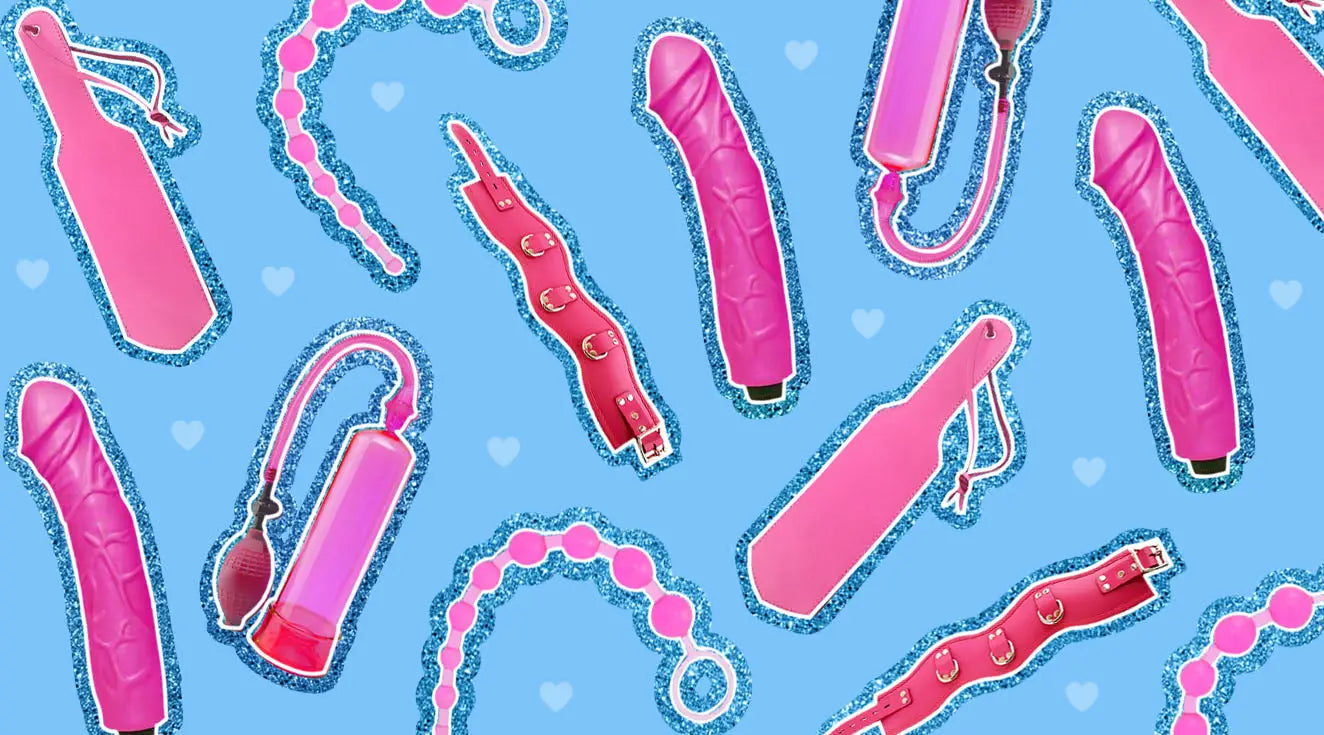
The classics? Spanking, of course. It’s the go-to for many into the punishment kink—simple, accessible, and satisfying. Add a paddle or flogger, and now you’ve got some real BDSM punishments happening.
Then there’scorner time—standing still, no talking, stripped bare or dressed up. It’s humbling, intense, and surprisingly hot.
Writing lines is another popular one. It’s repetitive, controlling, and slightly humiliating—which ticks a lot of boxes in disciplinary role play.
Some punishments are verbal: scolding, strict commands, or being told you're a “bad submissive.” That sting?It’s mental—but no less real.
And then there's impact play—a more intense form of physical punishment using whips, canes, or paddles. Some use it for correction. Others, for catharsis.
Role play is a big part of it, too. Think teacher/student, military officer/recruit, or even boss/employee. These setups fuel the fantasy and help set the scene.
Each form of erotic discipline brings its own flavour. Some are harsh, others gentle. But all are about power, control, and that delicious dynamic shift.
Whether it’s the burn of a cane or the bite of embarrassment, punishment kink is a world of sensation—both physical and emotional.
Discipline in Power Exchange Relationships
In power exchange relationships, discipline isn’t just sexy—it’s structural. It creates order, defines roles, and builds deep trust.
This is where DS dynamics (Dominant/submissive) truly come alive. The Dominant leads. The submissive follows. And discipline? That’s the glue.
Dominants use punishment to train, guide, or correct—not just for fun (though it is fun), but with purpose.
They might set behavioural rules: “Don’t roll your eyes,” “No phones at dinner,” or “Speak respectfully in scenes.”
When those rules are broken, a consequence follows. That’s the core loop: rules and infractions—actions and outcomes. It’s real accountability, with a kinky twist.
This kind of structure can be surprisingly comforting. For some submissives, it’s a relief to hand over control and be held accountable.
“Discipline in DS isn’t about cruelty—it’s about care,” explains Barbara Santini. “When done right, it creates a safe emotional container for growth and connection.”
That emotional safety is huge. Knowing what’s expected—and what happens when you fall short—can feel grounding. Even freeing.
Punishment in these dynamics isn’t always harsh. It can be soft, teasing, or even symbolic. What matters most is that both parties agree on the system.
And that’s what separates behaviour correction from control: consent, clarity, and communication. Without those, it’s not kink—it’s chaos.
In the right relationship, though? Discipline becomes a dance. A rhythm of trust, surrender, and serious intimacy.
Consent, Communication, and Aftercare
Let’s be clear—consensual punishment is a far cry from abuse. One is agreed-upon play. The other is harm.
In BDSM, consent in kink is everything. It’s not optional, it’s not flexible—it’s the foundation of everything that follows.
Before any punishment happens, there needs to be open, honest BDSM negotiation. That means discussing limits, safe words, triggers, and expectations.
Want to role play a strict headmaster scene? Cool—but talk it through first. Define what’s on the table and what’s off-limits.
Safe words—like red, yellow, or whatever feels right—act as emergency brakes. They stop the scene immediately, no questions asked.
“Safe, sane, consensual isn’t just a motto—it’s a lifeline,” says Tatyana Dyachenko. “Punishment without consent isn’t discipline. It’s abuse, plain and simple.”
And once the punishment ends? That’s when aftercare begins. It’s not a bonus—it’s a must.
Cuddles, water, kind words, a blanket—whatever helps both partners regulate and reconnect. Aftercare supports emotional recovery and deepens trust.
Because even when punishment is erotic, it can still be intense. The body might tingle, but the mind needs soothing, too.
Without communication and care, discipline falls apart. But with them? It becomes one of the most intimate forms of connection kink has to offer.
Why Some People Crave Discipline
So, why do people actually crave discipline? It’s not just about pain—it’s about psychology, power, and emotional payoff.
For some, it scratches a deep itch for control, order, and release. It’s structure in a chaotic world, with a sting on top.
Submissives with masochistic desires often find comfort in knowing where they stand—and what happens if they slip up.
There’s something oddly satisfying about following rules, breaking them, and facing the consequence—all in a safe, consensual space.
“Masochists often enjoy punishment not just for sensation, but for what it symbolises—attention, care, and structure,” says Katie Lasson.
On the flip side, sadists—those who take pleasure in administering punishment—find deep fulfilment in guiding, correcting, and shaping behaviour.
They’re not just playing the villain; they’re crafting an experience. For many, the sadist role is about presence, focus, and power.
“Sadists aren’t just dishing out pain,” explains Barbara Santini. “They’re creating meaning through consequence—there’s often a nurturing edge to their dominance.”
Whether you enjoy giving punishment or receiving punishment, the kink taps into something primal: the dance between surrender and control.
For some, it’s about release. For others, validation. For many, it’s the emotional roller coaster they can’t get enough of.
Endnote
Maybe there's a spark right now—a flutter of curiosity, a rush of recognition, or a quiet “this makes sense.” That feeling is valid. This guide was built to celebrate the discipline fetish as more than play—it's power, purpose, and profound connection. Every rule, every consequence, every erotic punishment can unlock something deeper. Let it. For more bold discoveries, explore the full BDSM kink guide: 239 Kinks and Fetishes. Desire isn’t dirty—it’s electric.